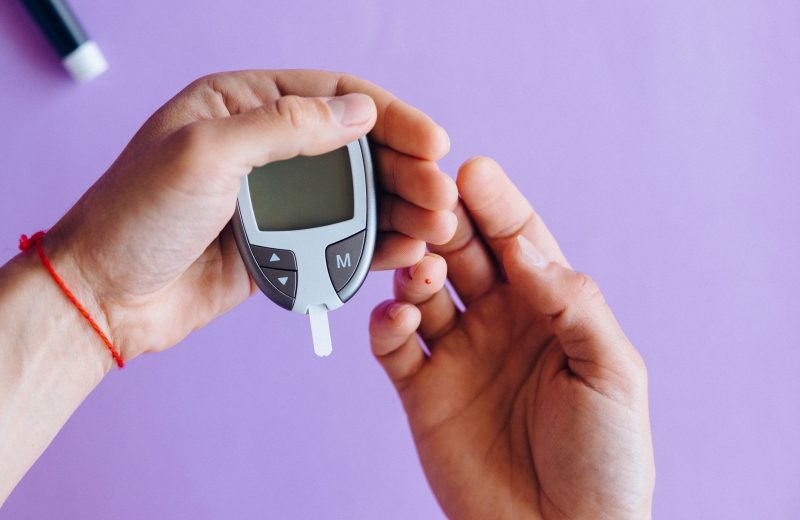
I was diagnosed with type 1 diabetes more than 12 years ago. Like everyone who lives with it, I learned to think in numbers: a glucose value every few minutes, arrows that point the wrong way at the worst possible time, nights interrupted by alarms, and the quiet math that runs in your head before every meal.
Continuous glucose monitors changed that life. A small sensor on your arm streams data all day, and the hardware from FreeStyle Libre and Dexcom is genuinely excellent. But somewhere between the sensor and the phone, the experience falls apart. The official apps do the basics. Sharing with family means a second app that feels like an afterthought. Alerts either fire on every reading until you stop listening, or stay silent exactly when you need them. And if you want your numbers on your watch, your lock screen, your computer and your partner’s phone at the same time, you end up juggling a pile of half-connected tools.
I am a software builder by profession. For years I ran digital marketing and product projects, and all that time I was also a person with type 1 checking his phone between meetings. At some point the two lives collided: I stopped waiting for someone else to build the app I wanted and started building it myself.
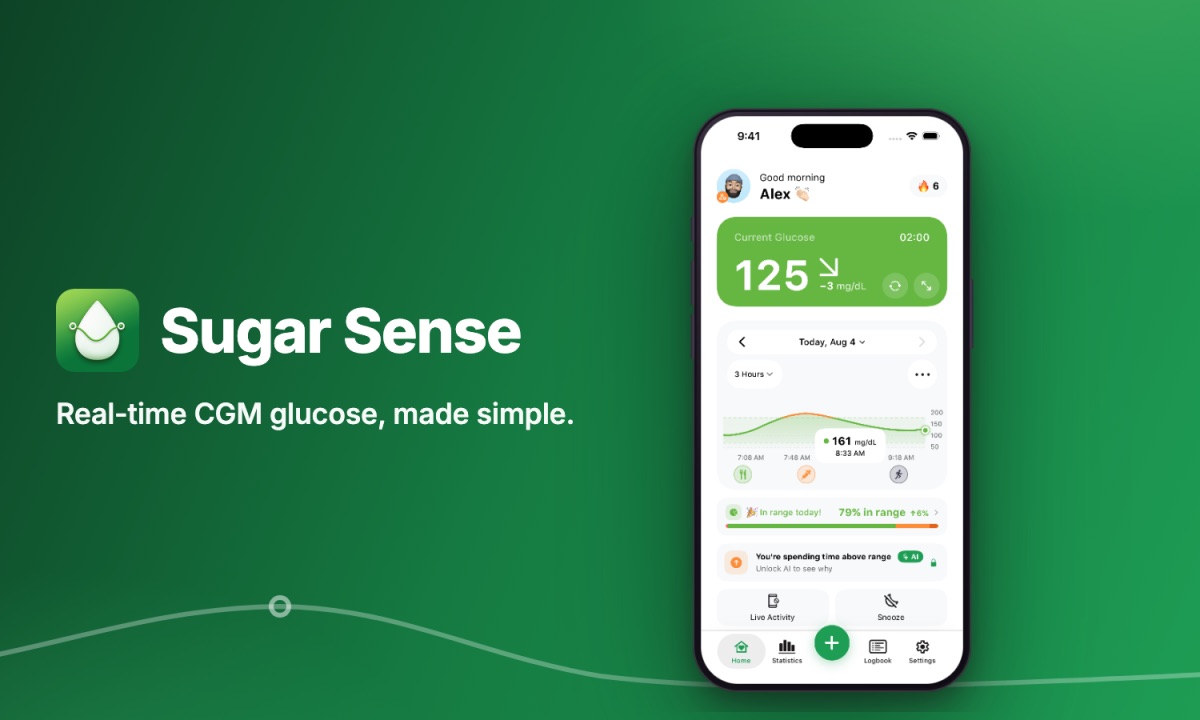
That app became Sugar Sense.
On this page
The decisions that shaped it
It is dose-free by design. Sugar Sense never suggests insulin doses, carb ratios or correction factors, and its AI features are hard-filtered so they cannot either. After 12 years I know exactly where that line is: my doctor and I decide doses, and an app’s job is to make sure I can see what is happening. Any app that casually suggests units of insulin is a hazard, not a helper.
Alerts are designed against alarm fatigue. Alarm fatigue is real and well documented: when everything beeps, you eventually ignore the beep that matters. So the defaults in Sugar Sense are asymmetric. Urgent lows are loud and can break through silent mode. Highs are patient. And there is a predictive alert that warns you around 20 minutes before a low is likely to happen, which for me personally is the single most useful thing in the app.
The safety net is free, forever. Real-time monitoring, alerts and family following do not cost money in Sugar Sense, and they never will. Charging someone for a hypoglycemia alarm never sat right with me. Premium exists, but it covers convenience and intelligence: the Apple Watch app, AI insights, reports, integrations. The core safety loop stays free.
Family should not have to guess. The Care Circle lets the people who care about you follow your glucose in real time on their own devices, with their own alert settings, and the app can even place an automated phone call for severe lows. Anyone who has lived alone with type 1, or loved someone who does, knows why that matters at 3 a.m.
Where it is today
Sugar Sense started as an iPhone app. Today it mirrors FreeStyle Libre, Dexcom and Nightscout in real time and runs on iPhone, Apple Watch and the web, with a native Android and Wear OS app on its way to Google Play. It lives on the Lock Screen and in the Dynamic Island, sits in your browser toolbar, and it even answers on Alexa. The point was never a long feature list. The point is that your glucose should be wherever your eyes already are.
Why I write
Alongside the product I write the Sugar Sense blog: plain-English, dose-free guides on CGMs, glucose trends, time in range and remote monitoring, checked against published clinical guidance. There are also free tools anyone can use, no app required: a blood sugar converter, an A1C calculator, a time in range calculator and a CGM glossary.
Twelve years in, I know that no app makes type 1 easy. On the hard days nothing does. But the right tools make it calmer, quieter and easier to share with the people around you, and that is what I am trying to build.
You can find everything at sugarsense.io, and I read every message that arrives at [email protected].