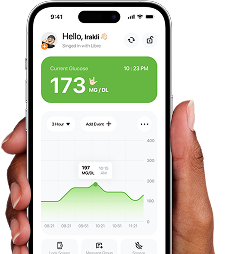
Real-time glucose alerts are one of the most quietly powerful tools available to anyone living with diabetes today. Instead of waiting for a fingerstick or a routine check to discover that your levels have drifted too high or too low, a continuous glucose monitor (CGM) paired with a smart companion app can tap you on the shoulder the moment something needs your attention. For many people, that shift from reactive guesswork to timely awareness changes daily life in meaningful ways, both in how safe they feel and in how confidently they go about their day.
What Are Real-Time Glucose Alerts?
A real-time alert is a notification your phone, watch, or companion app sends when your glucose reading crosses a threshold you care about. CGM systems such as FreeStyle Libre and Dexcom measure glucose in the fluid just beneath the skin every few minutes, and a connected app can translate those readings into clear, timely signals.
Rather than seeing a single number in isolation, you get context: whether your glucose is rising, falling, or holding steady, and whether it has moved outside a range you and your healthcare team consider typical for you. General reference ranges often used in education are roughly 70–180 mg/dL during the day, but your personal targets are something only your care team can help you define.
Trend Awareness, Not Just Numbers
One of the biggest advantages of modern glucose alerts is that they pair a value with a direction. A reading of 90 mg/dL that is falling quickly tells a very different story than 90 mg/dL holding flat. Trend arrows and rate-of-change signals help you understand momentum, so you can respond to where your glucose is heading rather than only where it has been.
Why Glucose Alerts Matter for Daily Safety
The most important reason real-time alerts matter is straightforward: they help catch problems early. Two situations in particular can escalate quickly, and timely awareness makes a real difference.
Catching Lows Before They Become Emergencies
Low glucose (hypoglycemia) can come on faster than expected, sometimes during sleep or while you are focused on something else. A low alert gives you a chance to notice and respond before symptoms become severe. This is especially valuable overnight, when you might otherwise sleep through early warning signs.
The goal of an alert is not to alarm you, but to give you a few extra minutes of awareness when minutes matter most.
Spotting Highs and Sustained Trends
High glucose (hyperglycemia) often builds more gradually, but staying elevated for long stretches is something most people want to understand and discuss with their care team. High alerts surface those patterns in the moment, so you are not relying on memory or occasional checks to notice that something has shifted.
Predictive Alerts: A Head Start on Lows
Beyond reacting to a number you have already reached, some apps offer predictive alerts. By analyzing the slope of your recent readings, a predictive “heading low” alert can warn you that your glucose appears to be trending toward a low before you actually get there.
That early heads-up can be genuinely useful in everyday moments, such as before driving, during exercise, or when you are about to step into a long meeting. It is worth remembering that predictions are estimates based on recent data, not guarantees, and they work best as one input among several rather than a replacement for your own judgment and your care team’s guidance.
Reducing Alarm Fatigue with Smarter Glucose Alerts
More notifications are not automatically better. If an app buzzes constantly, it is easy to start ignoring it, which defeats the entire purpose. Thoughtfully designed glucose alerts aim to be meaningful, not noisy.
- Asymmetric thresholds: Urgent lows may warrant a more insistent alert than a modestly high reading, reflecting how quickly each situation can change.
- Snooze and quiet options: Being able to pause routine alerts during a meeting or a workout, while keeping the most critical safety alerts active, helps the system stay trustworthy.
- Sensible repeat limits: Capping how often the same alert fires prevents a single situation from becoming an endless stream of buzzes.
When alerts are tuned to your life, you are far more likely to act on them. Reducing unnecessary noise is just as important as catching the moments that truly matter.
Glucose Alerts Beyond Your Phone
Real-time awareness becomes even more useful when it follows you wherever you are. A reading buried in an app you have to open on purpose is far less helpful than one that surfaces naturally throughout your day.
Watch, Lock Screen, and At-a-Glance Views
Apple Watch complications, Live Activity, and Dynamic Island make your current glucose and trend visible at a glance, without unlocking your phone or opening anything. A quick wrist check during a meal or a walk keeps you informed with almost no effort.
Sharing With the People Who Care
For families, caregivers, and parents of children with diabetes, shared alerts add an important layer of reassurance. When a trusted person can receive a notification about a significant low or high, no one has to shoulder the awareness alone. This is particularly comforting overnight or when distance would otherwise mean being out of the loop.
Turning Alerts Into Understanding
Individual alerts protect you in the moment, but over time they also feed a bigger picture. Reviewing how often you cross your thresholds, looking at Time-in-Range statistics, and noticing recurring patterns can spark valuable conversations with your healthcare team. Alerts handle the urgent; the patterns behind them inform the long-term.
If you would like real-time, trend-aware glucose alerts on your iPhone and Apple Watch, along with Time-in-Range insights and optional family sharing, Sugar Sense brings your FreeStyle Libre or Dexcom data together in one calm, easy-to-read place. It is designed to keep you informed without overwhelming you.
Real-time glucose alerts will not make decisions for you, but they can give you the timely, clear information you need to act with confidence and to have richer conversations about your care. Used thoughtfully, they turn a stream of numbers into something far more valuable: awareness that fits naturally into your everyday life.
This article is for educational purposes only and is not medical advice. Always consult your healthcare provider about your diabetes management.